
First Time in Botswana? A Comprehensive Guide for US, UK, Australian & Canadian Travelers
Key Takeaways: Botswana offers incredible wildlife and pristine landscapes, but requires careful planning. Understand visa requirements, vaccinations, currency, cultural norms, and connectivity options before you go. Consider an eSIM for convenient and affordable data. Pack light, appropriate clothing, and essentials like sunscreen and insect repellent. Respect the environment and local customs to ensure a memorable and responsible trip.
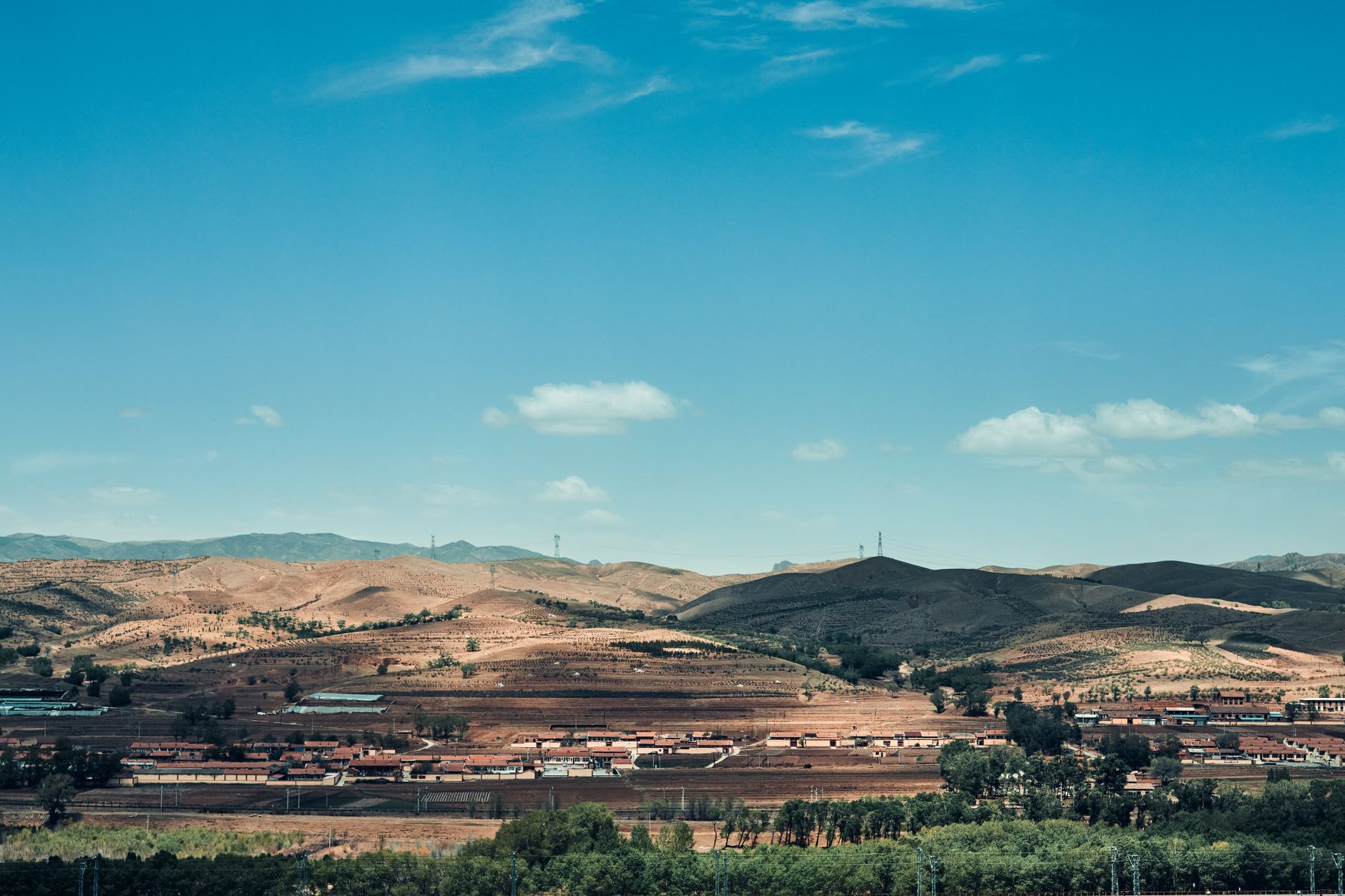
Botswana, a landlocked country in Southern Africa, is a jewel waiting to be discovered. Renowned for its incredible wildlife, stunning landscapes, and commitment to conservation, it offers a truly unforgettable travel experience. Whether you're dreaming of gliding through the Okavango Delta in a mokoro (dugout canoe), witnessing the Great Zebra Migration, or camping under the stars in the Kalahari Desert, Botswana promises adventure. However, planning your first trip can feel overwhelming. This guide is designed specifically for travelers from the US, UK, Australia, and Canada, providing essential information to ensure a smooth and enriching journey.
Before You Go: Essential Planning
Visas and Entry Requirements
Visa requirements vary depending on your nationality. Citizens of the US, UK, Australia, and Canada can generally enter Botswana for tourism purposes (up to 90 days) without a visa. However, it's always best to check the latest requirements on your government's travel advisory website. For instance:
- US Citizens: Check the US Department of State's Botswana page.
- UK Citizens: Consult the UK Foreign, Commonwealth & Development Office travel advice for Botswana.
- Australian Citizens: Refer to the Australian Smartraveller website's Botswana section.
- Canadian Citizens: See the Canadian government's travel advice for Botswana.
Make sure your passport is valid for at least six months beyond your intended stay and has enough blank pages for entry and exit stamps.
Health and Vaccinations
Consult your doctor or a travel clinic well in advance of your trip (ideally 6-8 weeks) to discuss necessary vaccinations and medications. Recommended vaccinations often include Hepatitis A and B, Typhoid, and Tetanus. Malaria is a risk in certain areas of Botswana, particularly in the northern regions (Okavango Delta, Chobe National Park) during the rainy season (November to April). Discuss malaria prophylaxis with your doctor. Consider bringing insect repellent containing DEET or Picaridin.
Botswana requires proof of yellow fever vaccination if you are arriving from a country with a risk of yellow fever transmission. Check the latest requirements based on your travel history.
Currency and Money
The currency in Botswana is the Botswana Pula (BWP). Credit cards (Visa and Mastercard) are accepted in larger hotels, lodges, and some shops in major towns and cities. However, cash is essential for smaller establishments, markets, and remote areas. It's advisable to exchange some currency upon arrival or withdraw Pula from ATMs in Gaborone (the capital) or Maun (the gateway to the Okavango Delta). Inform your bank of your travel plans to avoid your cards being blocked.
Best Time to Visit
The best time to visit Botswana for wildlife viewing is during the dry season (May to October). This is when animals congregate around water sources, making them easier to spot. The weather is cooler and drier, with sunny days and clear skies. However, be prepared for cold nights, especially in the desert areas. The rainy season (November to April) brings lush greenery and lower prices, but wildlife viewing can be more challenging, and some roads may be impassable.
What to Pack
Packing for Botswana requires careful consideration of the climate, activities, and cultural norms. Here's a suggested packing list:
| Item | Quantity | Notes |
|---|---|---|
| Lightweight, breathable clothing (khaki, green, beige) | 5-7 sets | Long-sleeved shirts and trousers for sun and insect protection. |
| Warm layers (fleece jacket, sweater) | 1-2 | For cool evenings and early morning game drives. |
| Wide-brimmed hat | 1 | Essential for sun protection. |
| Sunglasses | 1 | UV protection is crucial. |
| Comfortable walking shoes or hiking boots | 1 pair | For game drives and walking safaris. |
| Sandals or flip-flops | 1 pair | For relaxing at your lodge. |
| Swimsuit | 1 | If your accommodation has a pool. |
| Sunscreen (high SPF) | 1 bottle | Essential for protecting your skin. |
| Insect repellent (DEET or Picaridin) | 1 bottle | To protect against mosquitoes and other insects. |
| Personal medications | Sufficient supply | Bring prescriptions if necessary. |
| First-aid kit | 1 | Include antiseptic wipes, bandages, pain relievers, and anti-diarrheal medication. |
| Binoculars | 1 pair | Essential for wildlife viewing. |
| Camera and extra batteries/memory cards | - | Capture your incredible experiences. |
| Headlamp or flashlight | 1 | Useful for navigating in the dark. |
| Adapters for electrical outlets | - | Botswana uses Type D and G plugs (230V). |
| Reusable water bottle | 1 | Stay hydrated and reduce plastic waste. |

Staying Connected
Staying connected in Botswana can be challenging, especially in remote areas. Wi-Fi is generally available in larger hotels and lodges, but it can be slow and unreliable. Consider purchasing a local SIM card or using an eSIM for more affordable and reliable mobile data.
eSIMs for Botswana:
An eSIM (embedded SIM) is a digital SIM card that can be activated remotely, allowing you to access mobile data without physically swapping SIM cards. This is a convenient option for travelers from the US, UK, Australia, and Canada, as it allows you to keep your existing phone number while using local data in Botswana.
Several providers offer eSIM plans for Botswana. For example, RoamJet offers eSIM plans starting at $10.5 for 1 GB (7 days). Other providers may offer different plans and pricing. Compare options based on your data needs and duration of stay.
Cost Comparison (Example - Subject to Change):
While specific plans and pricing vary, expect to pay significantly less for data with a local SIM or eSIM compared to international roaming charges from your home provider. Check with your carrier for international roaming rates, which can be very expensive.
Traditional SIM Cards:
You can also purchase a physical SIM card upon arrival at Sir Seretse Khama International Airport (GBE) in Gaborone or from mobile network operators in major towns. Be sure your phone is unlocked before you travel to use a local SIM card.
Cultural Considerations and Etiquette
Botswana has a rich cultural heritage, and it's important to be respectful of local customs and traditions. Here are a few things to keep in mind:
- Greeting: A handshake is a common form of greeting.
- Dress modestly: Especially when visiting rural areas.
- Photography: Always ask for permission before taking photos of people.
- Tipping: Tipping is customary in the tourism industry. A tip of 10-15% is generally appreciated for good service.
- Respect wildlife: Maintain a safe distance from animals and follow the instructions of your guide.
- Learn a few basic Setswana phrases: "Dumela" (hello) and "Ke a leboga" (thank you) will be appreciated.
Safety and Security
Botswana is generally a safe country for tourists. However, it's important to be aware of your surroundings and take precautions against petty theft, particularly in urban areas. Avoid walking alone at night and keep valuables out of sight. Be aware of wildlife encounters, especially when camping or hiking. Always follow the advice of your guide.
Check your government's travel advisories for the latest safety information and recommendations.
Sample Itinerary (7 Days)
This is just a suggested itinerary; you can customize it based on your interests and budget.
- Day 1: Arrive in Gaborone, transfer to your hotel, and explore the city.
- Day 2: Fly to Maun, the gateway to the Okavango Delta. Transfer to your lodge.
- Day 3-4: Explore the Okavango Delta by mokoro and on foot. Enjoy game drives and birdwatching.
- Day 5: Fly to Kasane, near Chobe National Park.
- Day 6: Game drive in Chobe National Park, known for its large elephant population.
- Day 7: Departure from Kasane.
Responsible Tourism
Botswana is committed to conservation and sustainable tourism. Support local communities by purchasing crafts and souvenirs from local artisans. Choose eco-friendly lodges and tour operators that prioritize conservation and responsible practices. Minimize your environmental impact by reducing waste, conserving water, and respecting wildlife.
Visiting Botswana is an extraordinary experience. By planning ahead, respecting local customs, and embracing responsible tourism, you can create memories that will last a lifetime. Enjoy the adventure!
Ready for your Botswana adventure? Ensure you stay connected affordably. Check out RoamJet for convenient and budget-friendly eSIM options!


